
Portable vs Fixed ISPS Lighting: Which Is Right for Your Yacht?
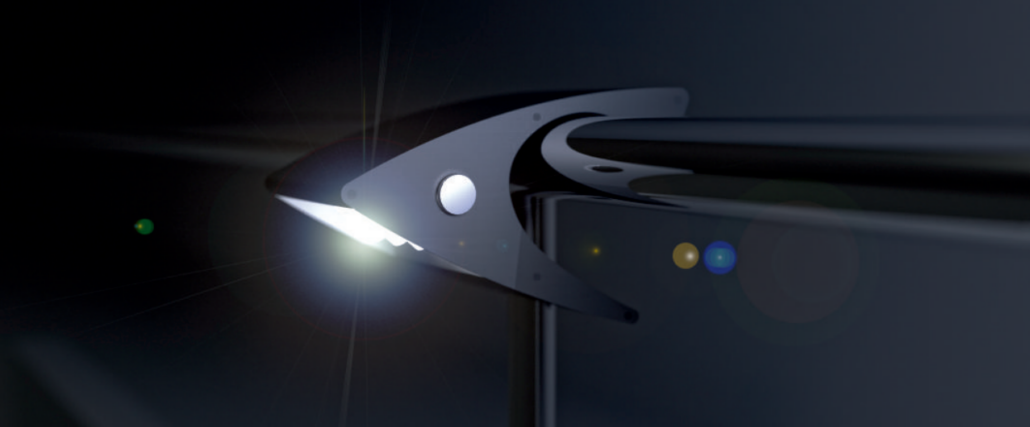
During night time boarding operations, good deck lighting doesn’t always mean good visibility alongside the yacht. Crew may have well lit walkways and exterior spaces, yet still struggle to see the water around a boarding ladder or access point.
This is where dedicated ISPS lighting comes in. Designed to illuminate defined areas alongside the hull, these systems provide targeted visibility for boarding, security checks and other activities taking place after dark. Visibility around the hull is also an important consideration when reviewing a yacht’s rescue lighting requirements.
But should you choose a portable light or a permanently installed system?
With some yachts preparing for the Caribbean winter season and others undergoing scheduled maintenance or refits, it’s a useful time to review existing arrangements. The right choice depends on where illumination is needed, how frequently the equipment is used and the yacht’s installation requirements.
Why Is Dedicated ISPS Lighting Important?
Standard exterior lighting is often designed to illuminate decks, walkways and guest areas. While these lights serve an important purpose, they may not provide sufficient coverage of the water directly alongside the yacht.
During pilot ladder operations, boarding and disembarking, or security monitoring, crew need to see what’s happening around the hull. The same visibility challenges need to be considered when planning rescue lighting, particularly where crew may need to identify or assist someone in the water after dark. Poorly directed lighting can leave sections of the water in shadow, while excessive glare and reflections may make visibility more difficult.
Dedicated yacht security lighting addresses this by directing illumination towards specific areas rather than relying on general exterior brightness.
However, the performance of an ISPS light depends on more than its output. Mounting height, positioning and beam distribution all determine how effectively the intended area is illuminated.
Yachtlite’s ISPS security lighting range includes both portable and fixed systems, allowing different lighting arrangements to be considered according to the yacht’s design and operational requirements.
Portable vs Fixed ISPS Lighting: Key Differences
Both portable and fixed ISPS lighting systems are designed to improve visibility alongside the yacht, but their installation and practical applications differ.
The main differences to consider are:
- Installation and flexibility: Portable ISPS lights can be temporarily mounted on railings and repositioned as required. Fixed systems are permanently integrated into the yacht’s exterior, providing illumination in predetermined locations.
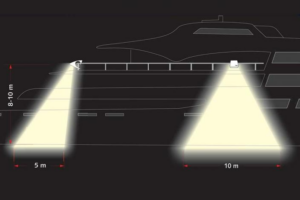
- Beam coverage: Yachtlite’s portable ISPS Flex illuminates approximately 50 m² when installed at the recommended height of 8–10 metres. Fixed ISPS lighting uses specialist lenses selected according to mounting height to illuminate specific areas alongside the hull.
- Protection against water and moisture: ISPS Flex is rated IP67, while Yachtlite’s fixed lighting systems are rated IP65. Both provide protection against water ingress under defined test conditions, although their levels of protection differ.
- Electrical requirements: Portable lighting requires accessible power connections and safe cable routing. Fixed installations involve more permanent electrical planning, including integrated cabling and suitable mounting positions.
- Operational requirements: Portable systems are particularly useful when boarding locations change or lighting is only occasionally required. Fixed systems are better suited to areas that need regular, consistent illumination.
Ultimately, the decision depends on how the yacht operates. A portable system offers greater flexibility, while fixed ISPS lighting provides a permanent solution for frequently used locations.
When Should You Choose Portable ISPS Lighting?
Portable ISPS lighting is particularly useful when illumination is required in different locations or a permanent installation isn’t practical.
Yachtlite’s ISPS Flex is designed for temporary mounting on railings, giving crew the flexibility to position the light where it is needed. The light angle can be adjusted and locked into position, while the mounting design helps protect polished railings from damage.
At the recommended installation height of 8–10 metres above the waterline, ISPS Flex illuminates approximately 50 m². Its 10-metre cable provides additional flexibility when selecting a mounting position, and the IP67-rated construction offers protection against dust and water ingress under defined test conditions.
For a yacht moving between marinas and anchorages, this adaptability can be particularly useful. A boarding point used in one marina may not be suitable at the next, and portable lighting allows the crew to adjust their setup accordingly.
However, portability doesn’t remove the need for planning. Suitable railing positions must be available, electrical connections need to be accessible, and cables should be routed without obstructing walkways or creating hazards.
Where electrical sockets are limited, Yachtlite also offers an optional arrangement that allows multiple ISPS Flex lights to be connected.
For yachts that require flexibility without committing to permanent fittings in several locations, portable lighting can be a practical solution.
When Does Fixed ISPS Lighting Make More Sense?
If the same boarding or security areas require regular illumination, fixed ISPS lighting may be the more suitable choice.
Rather than installing and removing equipment for individual operations, fixed lights are integrated into designated positions along the yacht’s exterior. This provides a consistent lighting arrangement for the areas identified during the installation planning process.
One of the most important considerations is mounting height.
A light installed near the main-deck level will require a different optical arrangement from one positioned higher on the yacht. Simply increasing the brightness isn’t necessarily the answer, as the light still needs to reach the intended area without creating unnecessary glare.
Yachtlite’s fixed ISPS lighting systems use specialist lenses selected according to mounting height, helping direct illumination towards defined sections of water alongside the hull.
The systems feature seawater-resistant aluminium housings, vibration-resistant construction and IP65 protection, with different white LED colour temperatures available.
Unlike portable lighting, permanent installations require greater coordination with the yacht’s existing structure and electrical systems. Mounting positions, cable routes, power requirements and future maintenance access should all be considered before work begins.
For yachts already undergoing a refit, this can be a useful opportunity to review the lighting arrangement while exterior or electrical work is taking place.
Yachtlite’s fixed ISPS lighting specification sheet provides additional information on optical distribution, mounting arrangements and technical requirements. The appropriate specifications should be confirmed for the intended installation.
What Should You Check Before Installing ISPS Lighting?
Whether choosing a portable or fixed system, the starting point should be the area that needs illumination.
Positioning and Beam Coverage
Consider where the crew will be working and which areas of water need to remain visible. For yachts reviewing their rescue lighting requirements, particular attention should also be given to visibility around potential recovery areas. A light may be sufficiently powerful but still perform poorly if its beam is directed at the wrong angle.
For example, a yacht that regularly uses the same boarding area may benefit from fixed lighting designed around that position. If the boarding point changes frequently, a portable system could provide greater flexibility.
Mounting height also affects light distribution, making it important to select optics and positioning that suit the yacht’s layout.
Electrical Connections and Access
Portable systems require suitable power connections and safe cable routing, while fixed systems need carefully planned electrical integration.
Maintenance access should also be considered, particularly for lights installed in difficult-to-reach exterior locations. Being able to inspect connections, clean fittings and address potential faults is an important part of long-term reliability.
Protection Against the Marine Environment
Exposure to saltwater, moisture and vibration places particular demands on exterior yacht lighting.
ISPS Flex has an IP67 rating, while Yachtlite’s fixed ISPS systems are rated IP65. Both ratings describe protection under specific test conditions, although they cover different levels of water exposure.
An IP rating alone doesn’t determine whether a lighting system is suitable for long-term marine use. Housing materials, seals, connectors and installation quality also matter.
For a closer look at these factors, read Yachtlite’s guide to what makes yacht lighting marine grade.
How Does ISPS Lighting Differ From a Marine Searchlight?
Although both are designed to improve visibility, ISPS lighting and marine searchlights serve different purposes.
ISPS lights are intended to illuminate defined areas alongside the yacht, including boarding points, pilot ladders and sections of water near the hull.
Marine searchlights are designed for more directional observation, allowing crew to illuminate objects or areas further away. Depending on the model, they may also provide wider floodlighting for specific operations.
For example, the YachtBeamLED searchlight range, for which Yachtlite is the exclusive European distributor, includes spotlight and floodlight functions, adjustable positioning and various control options.
A searchlight can provide additional flexibility for navigation, observation and security, but it doesn’t automatically replace dedicated lighting around a frequently used boarding point.
On some yachts, the two systems may complement each other, with ISPS lighting providing targeted illumination alongside the hull and a searchlight available when broader observation is required.
Does ISPS Lighting Make a Yacht ISPS Compliant?
Despite the name, installing ISPS lighting does not automatically make a yacht compliant with the International Ship and Port Facility Security (ISPS) Code.
The ISPS Code establishes an international framework for maritime security, with requirements applying to specified categories of ships and operations.
Where the Code applies, lighting is one consideration within a wider set of security requirements. Compliance depends on the yacht’s applicable obligations and security arrangements, not on the installation of an individual lighting product.
Even where formal ISPS requirements do not apply, dedicated security lighting can still support visibility during night-time boarding, monitoring and other activities alongside the yacht.
Choosing the Right ISPS Lighting for Your Yacht
The most suitable ISPS lighting arrangement will depend on the yacht’s layout, its typical operating conditions and how frequently specific areas require illumination. Whether reviewing security, boarding or rescue lighting requirements, understanding where reliable illumination is needed is an important starting point.
Portable systems such as ISPS Flex provide flexibility for changing boarding arrangements, while fixed installations offer dedicated lighting for regularly used locations. For some yachts, a combination of both may be appropriate.
As winter operations and refit schedules approach, reviewing existing lighting can help identify whether the current arrangement provides the coverage crew need.
Planning an ISPS lighting installation or looking to improve visibility alongside your yacht? Contact Yachtlite to discuss your requirements and explore the most suitable lighting solution for your yacht.